PLANNING, LEARNING AND DEVELOPMENT
The HighScope Daily Routine
- Meeting and greeting on arrival
- Small Group
- Large Group
- Snack Time
- Planning Time
- Work Time
- Review Time
- Tidy-up Time
- Outdoor Time
- Dinner Time
Our HighScope routine is flexible and can be changed throughout the day depending on children’s interest and visitors etc.
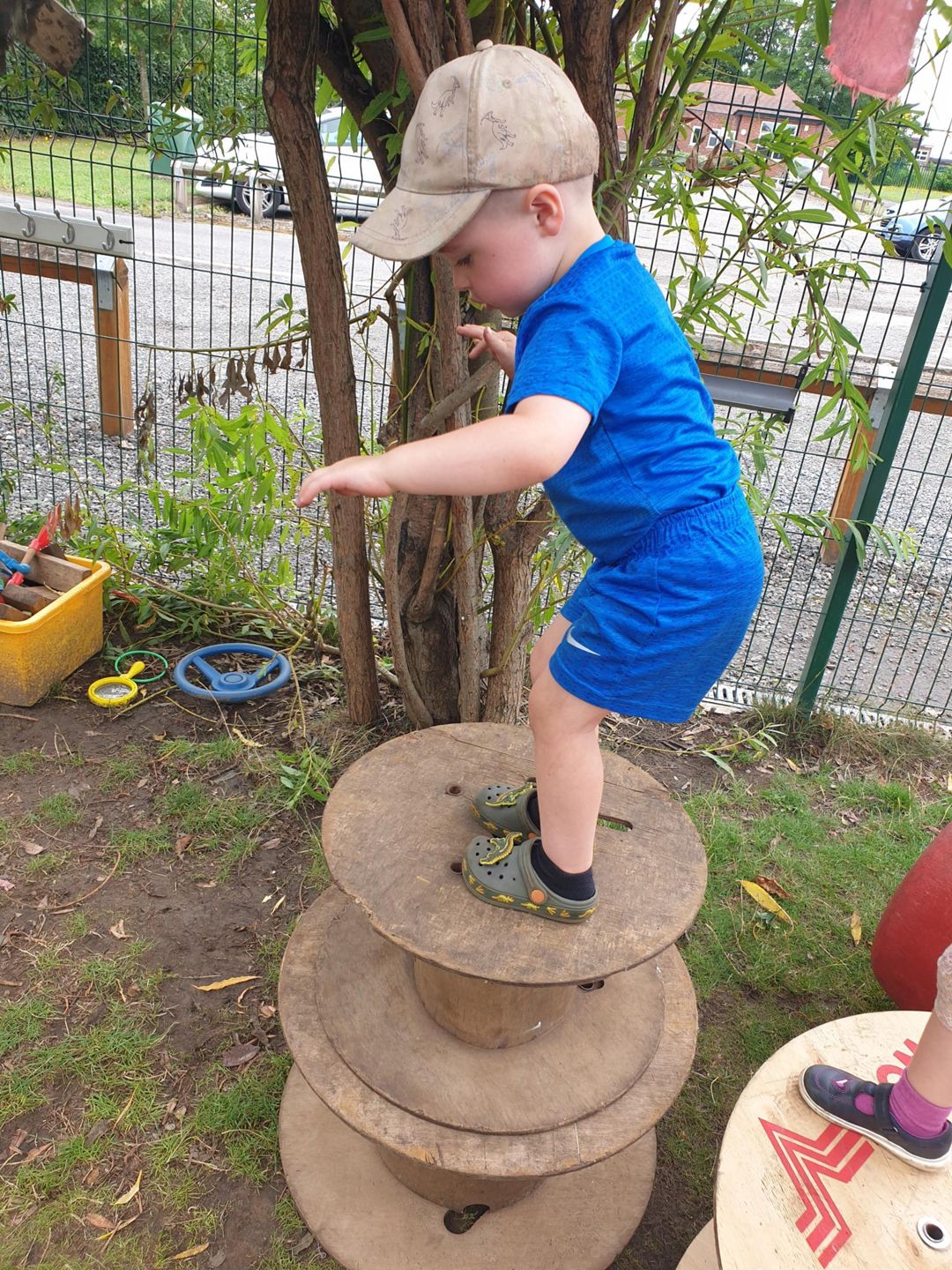
Why Is the Plan, Do, Review Sequence used?
For children to become confident, independent learners, children need consistency. The High/Scope approach provides this through the daily routine, the organisation of the learning environment and the ways that the practitioners interact with the children. The nursery is organised into interest areas, which are easily recognised by the children and are stocked with materials that are clearly labelled, so that children can independently choose for themselves.
Small Group
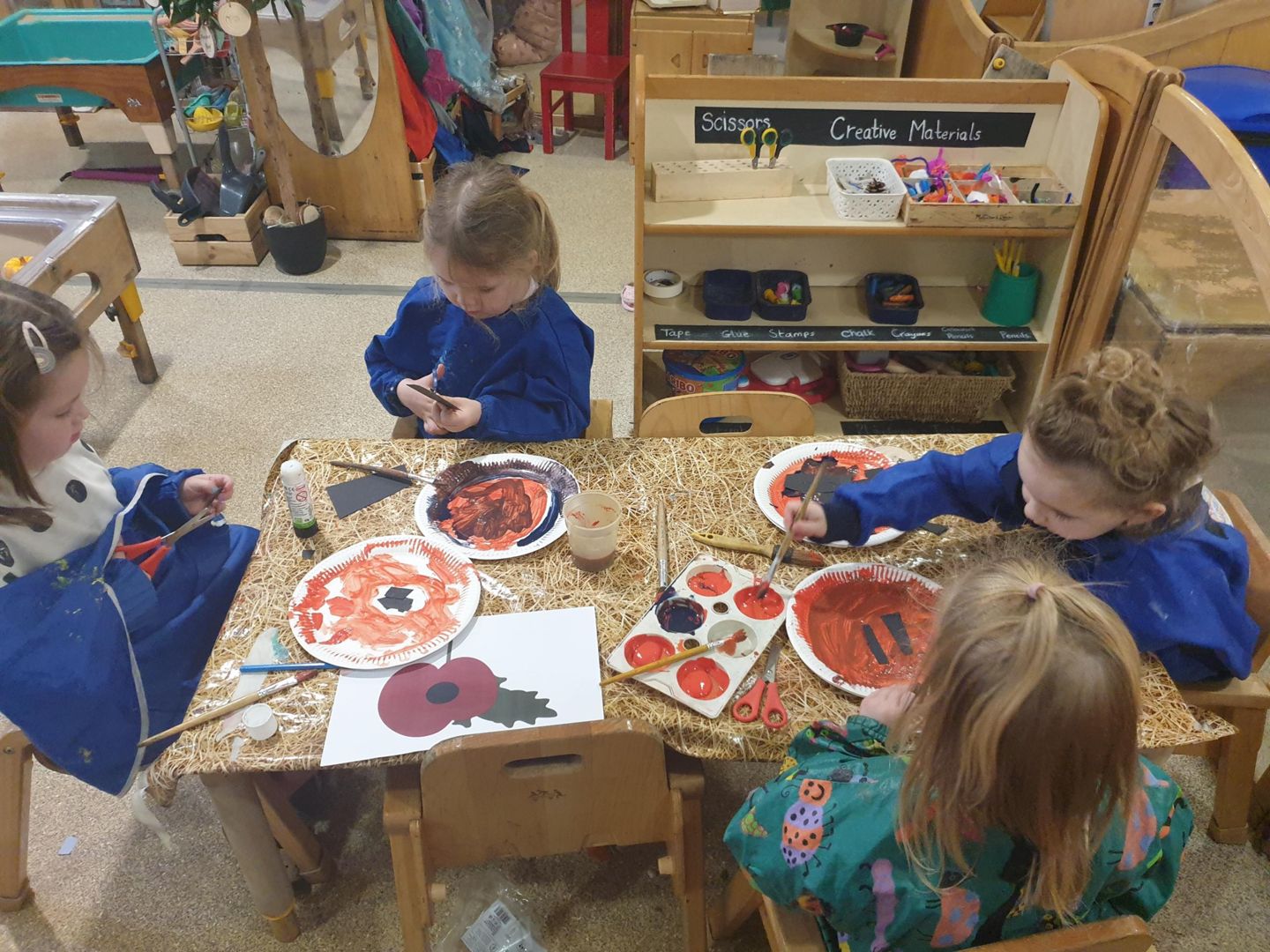
This is a adult led activity which is planned through children’s interests and parent/carer comments and is the most focus teaching time of the day. Small group is a time which gives children opportunity to listen, explore and converse in a smaller group, giving more reserved children the chance to be involved and allowing practitioners to scaffold learning and support children’s individual needs more closely.
Large Group
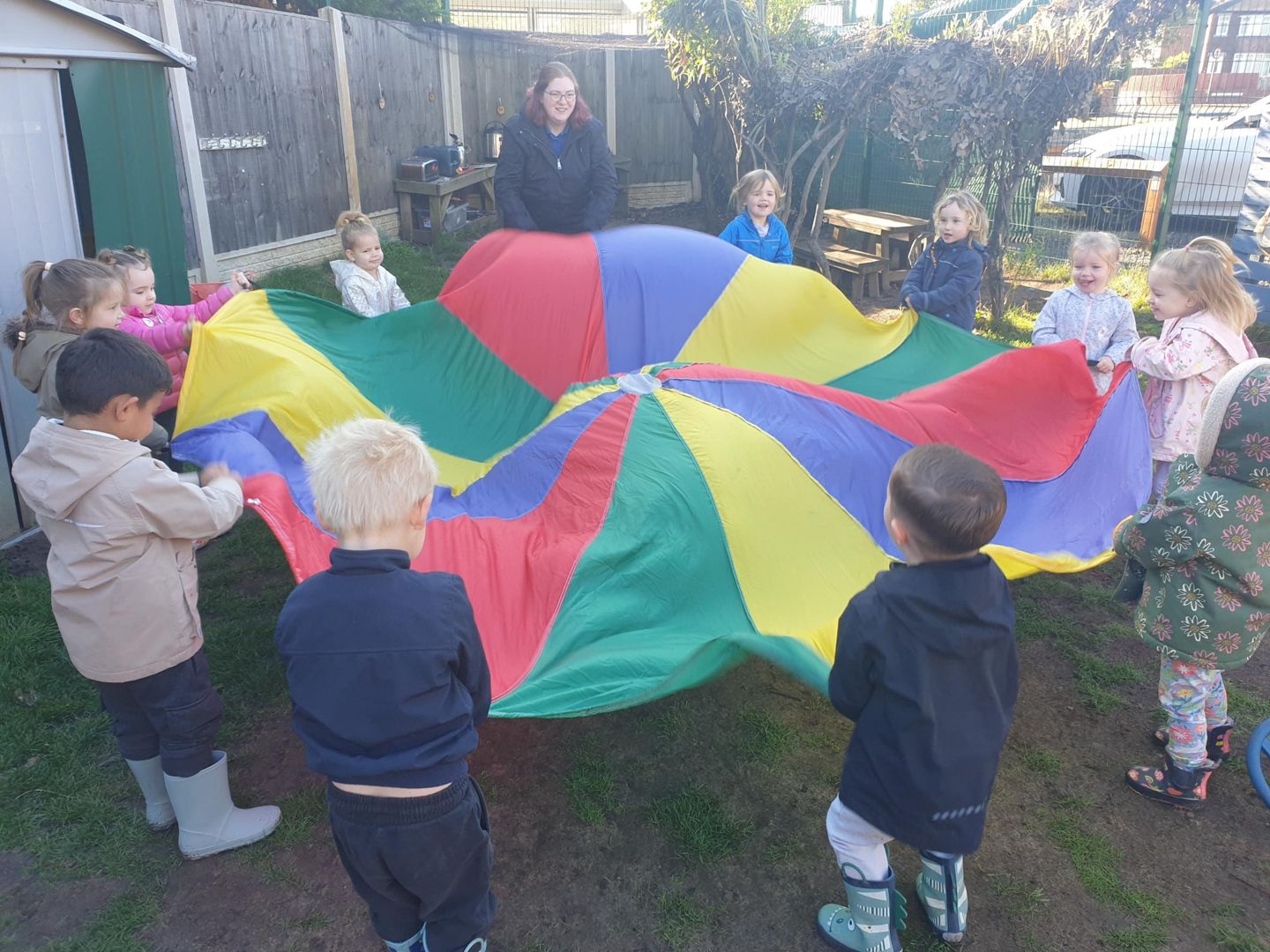
Children are able to interact within a large group situation. The Large Group Time may involve music, role play, story or talk time. Large Group is a great time for children to come together and play alongside all peers and practitioners. It allows children to learn from each other and supports enhancing social skills, attention span and gives a bigger sense of community.
Planning Time (PLAN) & Work Time (DO)
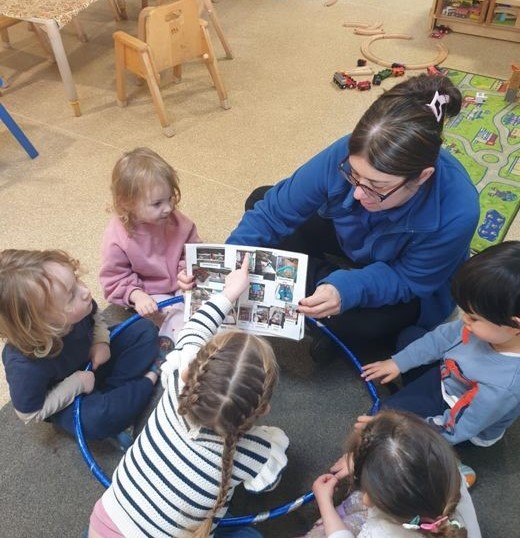
Planning Time (PLAN)
Children use various strategies to plan their first activity by making choices within carefully planned structures. Children split into key person groups where possible and use a planning ring and photographs of areas of learning both indoors and outdoors to choose where they would like to explore and what they would like to do.
Work Time (DO)
Children organise the resources needed and manage their own time while completing their task. They have control over their own learning while negotiating and making decisions. During this independent time the practitioners will observe the children and join the children’s play to extend learning in the moment. This also helps practitioners to plan for their next step.
Review Time (REVIEW)
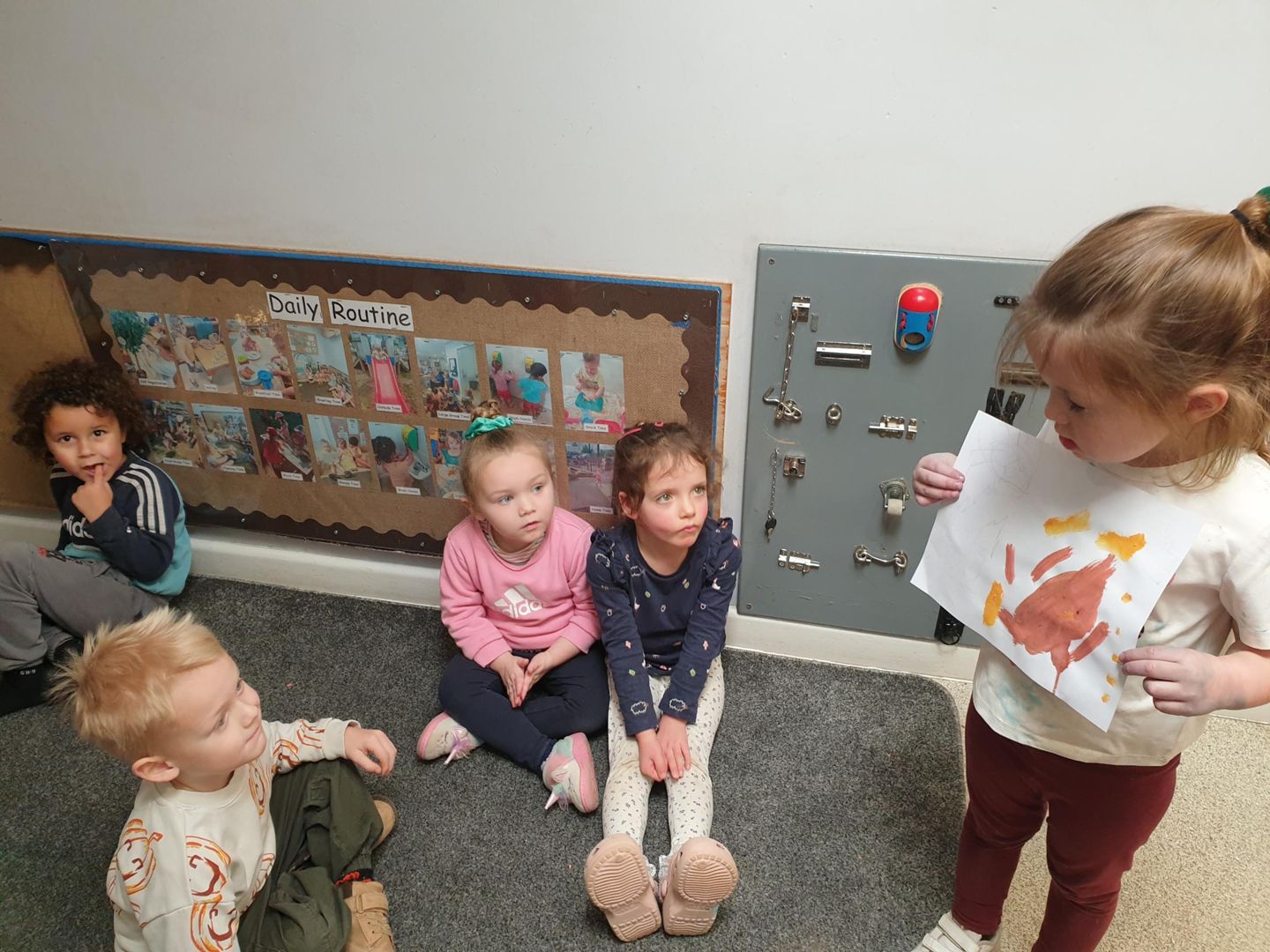
Children return to key person groups for review time and all have a turn at sharing what they planned to do, who they played with and anything else they did during work time. This is also the opportunity to show off their creations if they desire to. As the children discuss activities they have been involved in, practitioners are able to extend their thinking by asking open questions. Communicating in smaller groups supports the quieter children to explain what they have achieved during their planning time by building confidence.
Meal Times
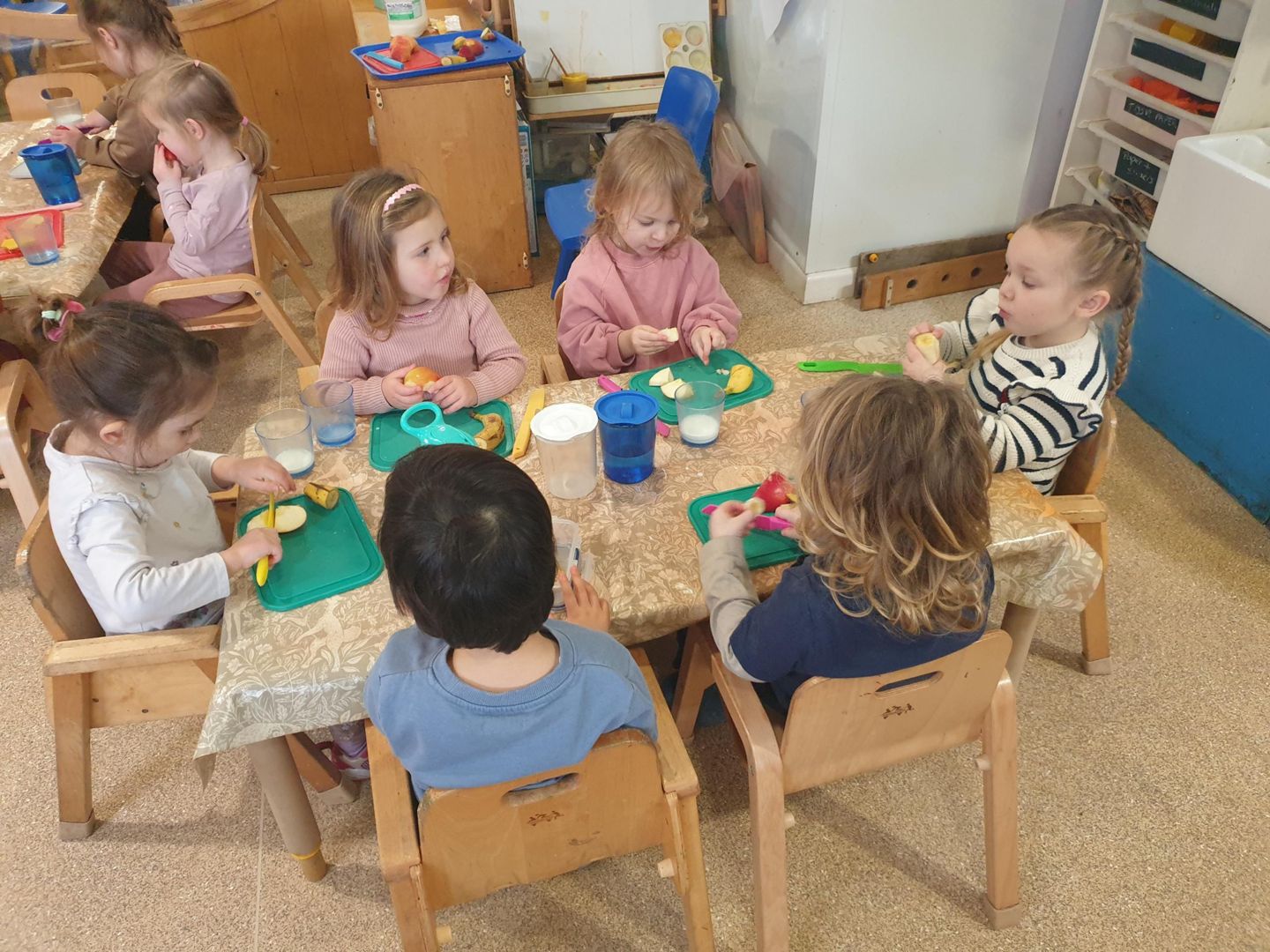
Children are encouraged to use mealtimes as a social occasion with the group of their table. Practitioners use this as a teaching time to recall what they have previously done before and what is planned for later. This is also a time for children to discuss openly what they did the night before or what they may have planned when they go home. It is also an opportunity for children to ask questions or discuss what they have learned during the day. This is an ideal time to promote new vocabulary and explain it in simple terms for all to comprehend and asking them to have a go at pronouncing it to, giving them confidence to use at a later date especially if it is repeated many times to become embedded. Children show lots of independence, especially during mealtimes.
Statutory Guidance
The Early Years Foundation Stage Curriculum (EYFS) is the very first stage of the National Curriculum and focuses on the needs of children aged between 0-5.
The principles which guide the work of all early years practitioners are grouped together into four themes:
A Unique Child – every child is a competent learner from birth who can be resilient, capable, confident and self assured.
Positive Relationships – children learn to be strong and independent from a base of loving and secure relationships with parents and/or a key person.
Enabling Environments – the environment plays a key role in supporting and extending children’s development and learning.
Learning and Development – children develop and learn in different ways and at different rates and all areas of Learning and Development are equally important and inter-connected.
Progress Check at Age Two
When a child is between the ages of two and three, practitioners will review their progress and provide parents/carers with a written summary of their child’s development. The summary will identify strengths and opportunities for development. Practitioners work alongside parents/carers to develop a personal target and plan to support their child’s learning and development. A health visitor will visit children at home and discuss their ages and stages. This will then be shared with us as we work together to promote next steps and further development. Any early identification will be highlighted during this time to ensure children are appropriately supported.
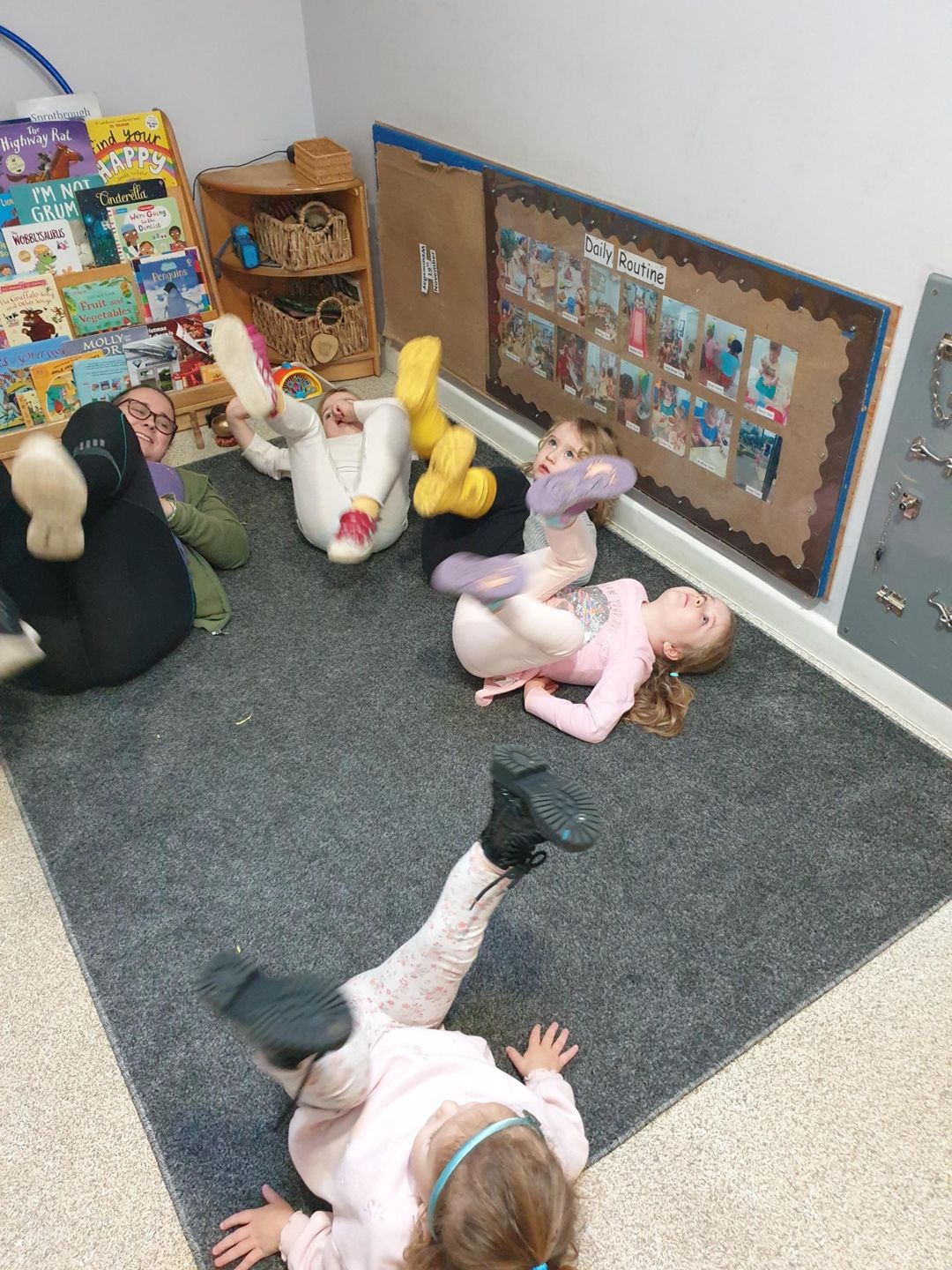
Famly
Your Child’s Learning Journey takes a personal path based on their own individual interests and experiences. The Learning Journey will tell a story about your child’s on-going development and opportunities that they will experience throughout their time here and at home. This will tell a story about your child’s experiences, activities and friendships.
The Learning Journey on Famly consists of photos of your child in action, some of their artwork, observations and achievements whilst at the setting. You can contribute by sharing with us special events, providing photos of outings, first words and new interests. This in turn helps us to meet their interests and needs and extend their learning accordingly.
Practitioners will plan a wide range of adult led and child initiated activities, both indoors and outdoors and will provide opportunities for children to learn in small or large groups. Continuous assessments will be made of how the children are progressing towards our Curriculum Goals and feedback will be given to parents.
Staff recognise that the children they care for may be at different stages of development and will take this into account when planning activities.
Famly is updated throughout the day which allows parents to see what their child has had to eat and drink, their sleep periods, nappy changes and activities etc.

Opening Hour
Monday - Friday : 0800 AM - 1745 PM
Saturday & Sunday : Closed